A step-by-step guide for carriers and cargo owners on what to do when goods are damaged or lost in transit. Correct documentation procedures, CMR liability rules, and how to work with insurers across EU borders.
Cargo Insurance Claims in Road Freight: What You Need to Know
Even with flawless trip planning, unforeseen events can occur on the road: road traffic accidents, theft by third parties, fires, or natural disasters resulting in damage or total loss of cargo. In these situations, insurance is the critical safeguard. However, to receive full compensation from the insurer without delays, all parties must follow a precisely defined procedure — and timing is everything.
Under the CMR Convention, which governs international road freight across Europe, the carrier bears strict liability from the moment of cargo acceptance until delivery. CMR insurance (carrier liability insurance) covers: physical damage to goods during transit, loading, or unloading; total loss through fire, accident, or theft; and financial losses arising from the transport contract.
Critical deadlines under CMR:
Visible damage must be noted on the CMR document before the consignee signs at delivery.
Concealed damage discovered after delivery must be reported to the carrier in writing within 7 calendar days (excluding Sundays and public holidays).
The statute of limitations for total loss claims is 1 year from the date goods should have been delivered.
Failure to meet these deadlines extinguishes the right to claim against the carrier under the CMR Convention.
Step-by-Step Actions for the Driver at the Scene
As soon as cargo damage is discovered or an incident occurs, the driver must:
Ensure safety: Stop the vehicle, activate hazard lights, place warning triangles, and provide first aid if required.
Contact the competent authorities: Police for road traffic accidents, fire service for fires. An official incident report or police protocol is a mandatory requirement for any insurance claim — without it, insurers will reject or significantly reduce the payout.
Conduct thorough photo and video documentation: Document the general scene, vehicle damage, cargo securing condition, and the specific nature of the cargo damage in detail. These materials form the evidentiary basis of the claim.
Immediately notify the cargo owner and insurer: All contact details for counterparties are available in the active trip in the driver's account and via the Telegram bot. The driver can send a force majeure (SOS) alert with a single tap, immediately notifying the cargo owner so decisions on transhipment or rerouting can be made without delay.
Actions for the Consignee at Unloading
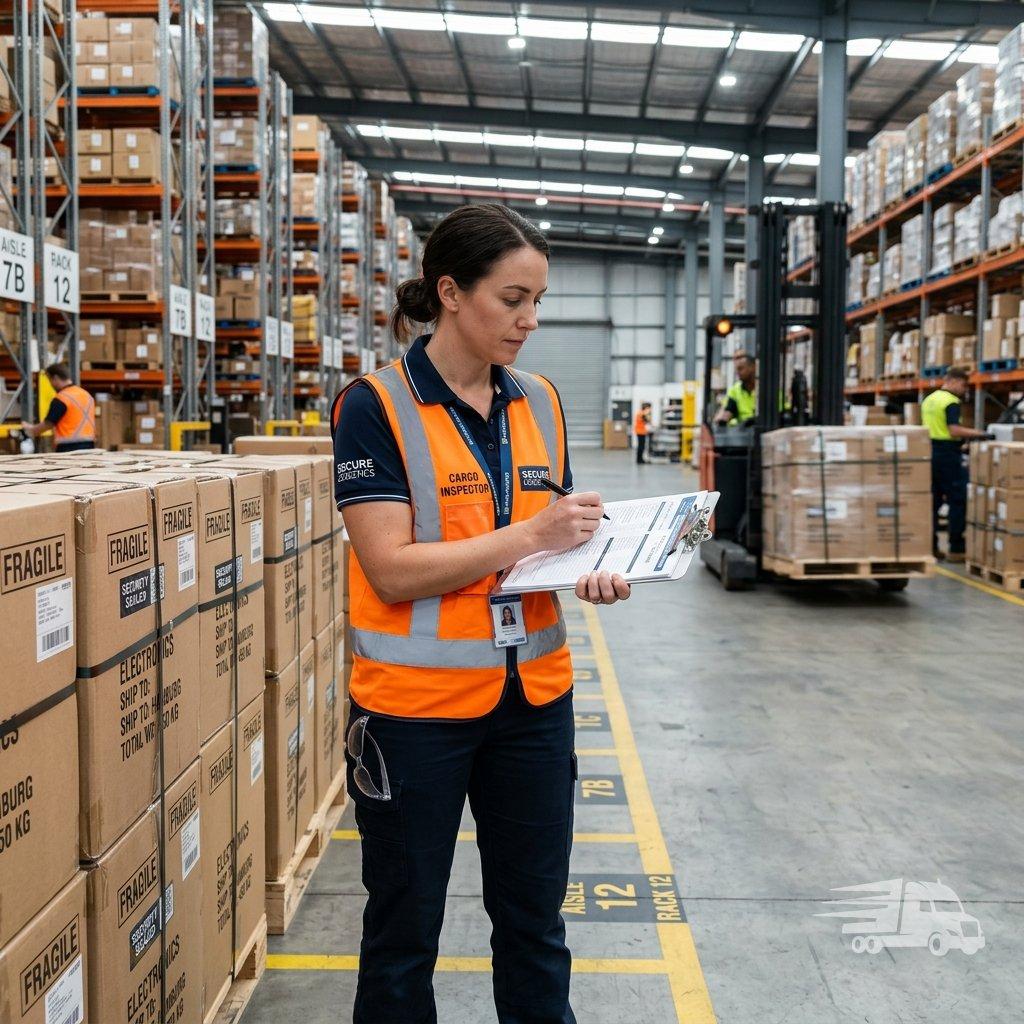
If damage is discovered at the point of delivery during cargo acceptance at the warehouse:
Draw up a Commercial Damage / Shortage Act. The document must be signed by representatives of both the consignee and the driver. Unilateral acts prepared by one party alone are not accepted by insurance companies and carry no legal weight in claims.
Record reservations on the waybill (TTN) or CMR consignment note. Describe the nature and extent of the damage specifically in the carrier's reservations section before signing. A consignee's signature on the CMR without noted reservations constitutes acceptance that goods were received in the condition shown on the document.
Preserve the damaged cargo exactly as received until an independent loss adjuster (average adjuster) or insurer's representative has conducted their assessment. Any disposal or alteration of the damaged goods before the survey can void the claim.
CMR Liability Limits and Why Cargo Insurance Matters
An important detail that many shippers overlook: CMR carrier liability is capped at 8.33 SDR per kilogram of gross weight of the damaged goods. For high-value, low-weight cargo — electronics, pharmaceuticals, luxury goods — this limit covers only a fraction of the real commercial loss. For any shipment where the commercial value significantly exceeds the CMR default cap, cargo owners should declare the actual value in Box 22 of the CMR and ensure they have separate all-risk cargo insurance (Ad Valorem coverage) in place.
You can easily find verified carriers with CMR liability insurance or cargo CASCO coverage on CarGoPro via cargo search. We recommend always verifying the validity of insurance policies and company licences in the reliability zone before assigning a load.