An analysis of new transport regulations, penalty systems updates, and vehicle licensing requirements taking effect across the EU and Ukraine.
Transport Legislation Ukraine-EU: What Changes to Expect in Summer 2026
The integration of Ukraine's transport system into the European logistics space is proceeding at an incredibly fast pace. In the summer of 2026, a whole series of new legislative norms and directives will come into effect, radically changing the rules of the game for all domestic carriers operating on European routes.
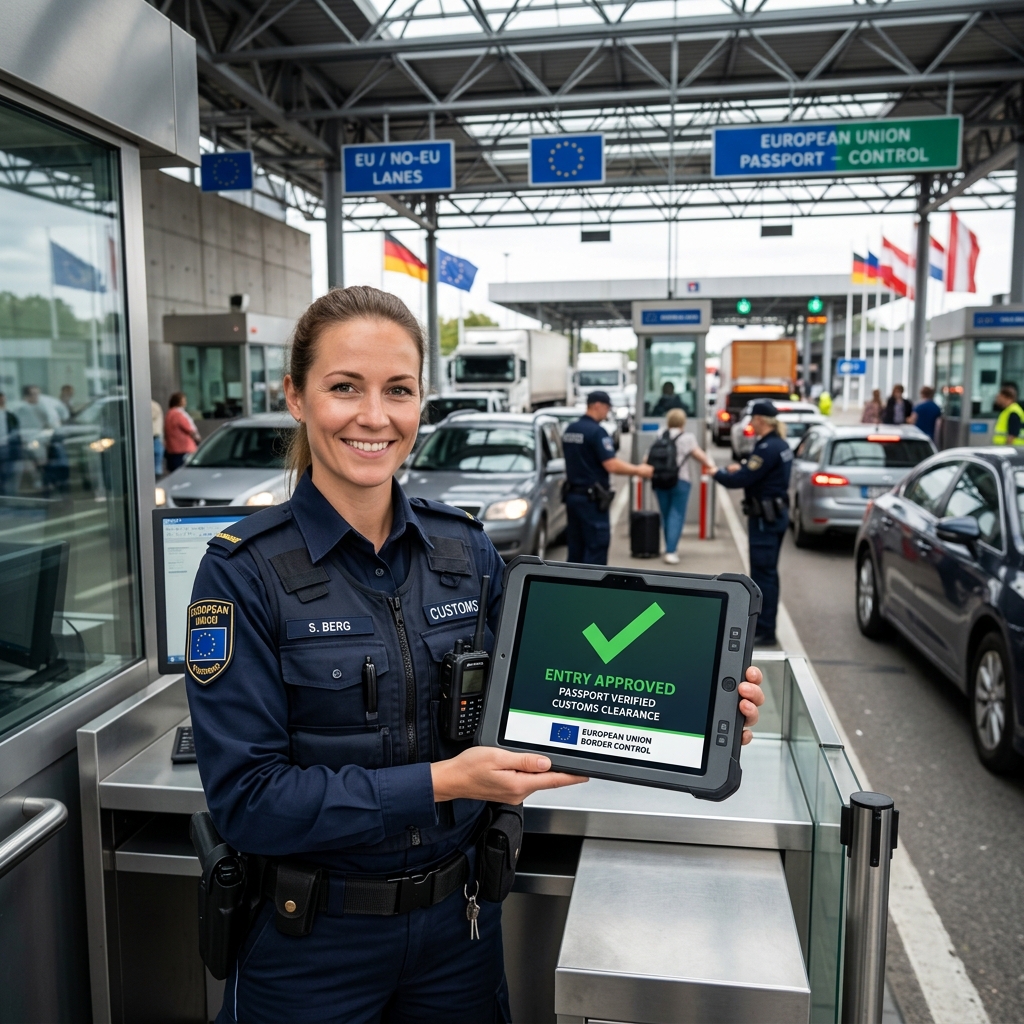
Modern electronic control systems at the border of the European Union
In this article, we will thoroughly analyze exactly which normative acts come into effect from June 1, 2026, how to prepare your fleet for stricter controls by BAG and ITD inspections, and what new requirements will be placed on driver documents and the technical condition of trucks.
1. New Edition of the "Transport Visa-Free Regime": What Will Change?
The "Transport Visa-Free Regime" (Agreement on the Liberalization of Road Freight Transport), which has been extended, received significant updates aimed at strengthening control over the legality of transportation and combating unfair competition.
Key Changes:
Mandatory License Presence in the Vehicle: From now on, the driver is obliged to have not only an extract from the licensing register but also a document (on paper or electronically with an applied qualified electronic signature) confirming the presence of a valid license for international carriage, translated into English.
Identification Stickers: Mandatory marking is introduced for trucks operating flights under the Agreement. A special unified holographic sticker issued by Ukrtransbezpeka must be on the windshield. The absence of a sticker means a fine starting from 1,500 euros and being turned back at the border.
Confirmation of Empty Truck Returns: Drivers exiting the EU empty (for example, after unloading in Germany without return cargo) are obliged to present customs officers with documents confirming previous unloading. This is done to combat illegal cabotage. To effectively find return loads and avoid empty runs, carriers use the [Cargo Radar](/search/cargo).
2. Environmental Standards and European Commission Directive 2026/EU
In the summer of 2026, Europe takes another serious step towards decarbonization. This will directly hit the wallets of Ukrainian carriers with older fleets.
Increased Road Tolls for Euro-5:
In Germany (LKW-Maut) and Poland (e-TOLL), ecological toll rates for Euro-5 standard trucks are increased by 15%. This makes operating such vehicles on major European routes economically disadvantageous compared to Euro-6 or electric tractors. To correctly calculate trip costs considering the new tariffs, we highly recommend constantly using Analytics.
Control of AdBlue Systems:
European inspections have received new portable equipment for instantly checking the operability of SCR (AdBlue) systems. In case of detecting emulators (disabled AdBlue), the fine can reach 5,000 euros, with immediate forced evacuation of the vehicle to an impound lot until the malfunction is fixed at a certified service station.
3. Updated Requirements for Tachographs and Rest Times
The Mobility Package continues to be implemented. Starting in the summer of 2026, new rules regarding the control of driving and rest times apply:
Second-Generation Smart Tachographs (Smart Tacho V2): All Ukrainian trucks undergoing new registrations for international transport MUST be equipped with second-generation smart tachographs. These devices automatically record the crossing of state borders of EU countries without the need for the driver to stop and enter data.
Stricter Checks on In-Cabin Rest: Inspectors in France and Belgium have received expanded authority to demand hotel receipts for the entire period of the 45-hour (regular weekly) rest. If the driver spent this time in the cabin, the transport company receives a fine, and the driver may be temporarily stripped of their right to drive within the country's territory.
4. Implementation of NCTS Phase 5
Europe's customs system is fully transitioning to Phase 5 of the New Computerised Transit System (NCTS Phase 5). For forwarders and carriers, this means:
All transit declarations (T1) will now be processed in a fully electronic format with new requirements for cargo detail.
Customs brokers will require dispatchers to provide 6-digit HS codes for every item, even for consolidated Less than Truckload (LTL) shipments.
Border crossing speeds will increase for those who have correctly filled out electronic documents, and significantly decrease for those who make mistakes, as the system will automatically reroute problematic trucks to the "red corridor."
Summary
The summer of 2026 leaves no room for working "the old way." It is critically important for Ukrainian transport companies to update the knowledge of their dispatchers and drivers, conduct a fleet audit, and establish fully electronic document management. Using modern logistics CRM systems, such as CarGoPro, will help automate these processes and avoid colossal fines in the EU market.